
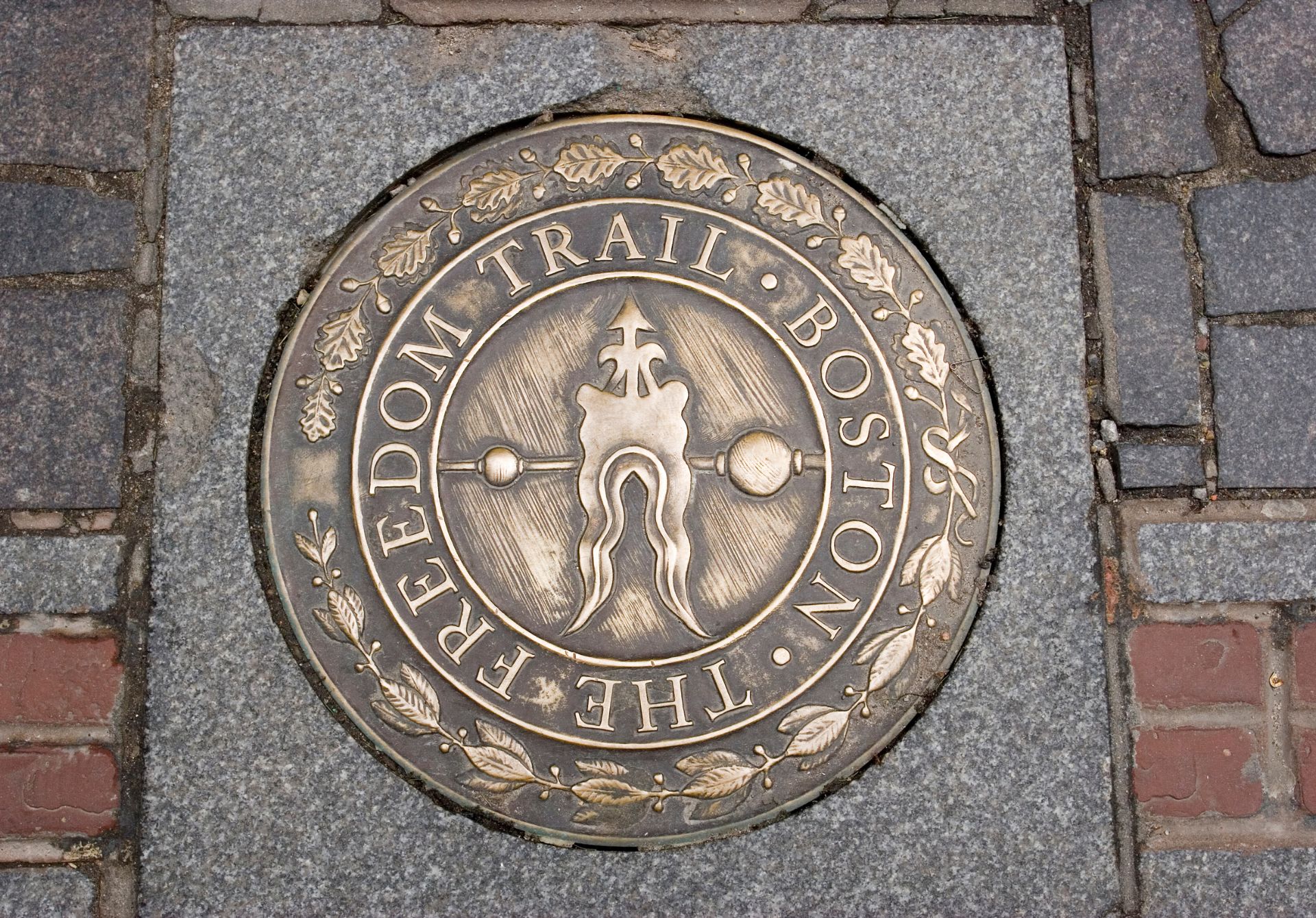
Picture yourself stepping back in time to the birth of American independence, following the footsteps of revolutionaries like Paul Revere and Samuel Adams. That’s exactly what awaits you on Boston’s iconic Freedom Trail – a 2.5-mile brick path that weaves through the heart of historic Boston, connecting 16 nationally significant sites.
What Makes the Freedom Trail Special?
The Freedom Trail isn’t just another tourist attraction; it’s a living museum that tells the story of America’s fight for independence. Established in 1951, the trail attracts over 4 million visitors annually, making it one of Boston’s most popular attractions. What sets it apart is how seamlessly it integrates historical sites into the modern urban landscape, creating an immersive experience that brings history to life.
Essential Sites Along the Trail
- Boston Common (1634) – America’s oldest public park
- Paul Revere House (1680) – The oldest remaining structure in downtown Boston
- Old North Church (1723) – Famous for the “One if by land, two if by sea” signal
- USS Constitution (1797) – The world’s oldest commissioned warship still afloat
- Bunker Hill Monument – Site of the Revolutionary War’s first major battle
Planning Your Visit
The best time to explore the Freedom Trail is between April and October when the weather is mild and all sites are fully operational. A complete trail walk typically takes 2-3 hours, but history enthusiasts might want to dedicate a full day to explore the sites in depth. The trail is marked by a painted red line or brick path embedded in the sidewalk, making it virtually impossible to get lost.
Practical Tips for Visitors
- Start early (around 9 AM) to avoid crowds and heat during summer months
- Wear comfortable walking shoes – you’ll cover approximately 2.5 miles
- Consider guided tours (around $14-20 per person) for deeper historical insights
- Many sites are free, but some charge admission ($3-10 typically)
- The trail can be started from either end: Boston Common or Bunker Hill
Hidden Gems and Local Insights
While the main attractions draw the crowds, several lesser-known spots along the trail offer unique experiences. The Granary Burying Ground, for instance, contains the graves of John Hancock, Samuel Adams, and Paul Revere, along with thousands of early Bostonians. The narrow streets of the North End, Boston’s Little Italy, provide perfect spots for authentic Italian dining between historical sites.
Modern Amenities Along the Way
- Faneuil Hall Marketplace – Shopping and dining complex
- North End restaurants – Over 100 Italian eateries
- Public restrooms at major sites
- Multiple T (subway) stations for easy access
- Numerous coffee shops and rest spots
Educational Value
The Freedom Trail serves as an outdoor classroom, making history tangible for visitors of all ages. According to the Freedom Trail Foundation, over 250,000 students visit annually as part of their curriculum. The trail’s sites are staffed by knowledgeable historians who can answer questions and provide detailed context about Revolutionary-era Boston.
Accessibility and Inclusivity
Most of the Freedom Trail is wheelchair accessible, though some historic sites have limited accessibility due to their age and preservation requirements. The Freedom Trail Foundation offers modified tours and routes for visitors with mobility challenges, ensuring everyone can experience this crucial piece of American history.
Conclusion
The Freedom Trail stands as a testament to Boston’s crucial role in American independence, offering visitors an unparalleled journey through history. Whether you’re a history buff, casual tourist, or educator, the trail provides a unique blend of education, entertainment, and exercise. The trail’s enduring popularity – welcoming millions of visitors each year – proves that even in our digital age, there’s no substitute for walking in the footsteps of history.
For the best experience, consider spreading your visit across two days, allowing time to fully explore each site and enjoy the modern amenities along the way. Remember, you’re not just following a red line through the city; you’re tracing the path that led to American independence.